 Toll-Free:


Dorm Room Checklist: What to Bring to College (And What to Leave Behind)
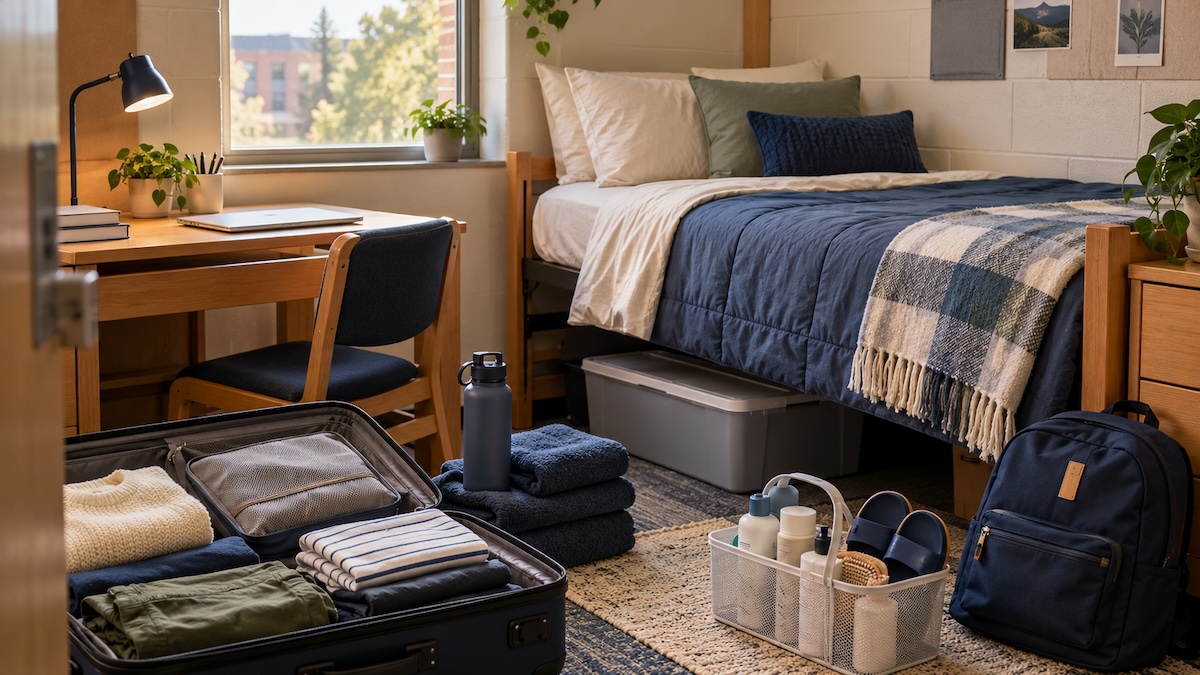
Quick answer: The essentials for any dorm room are bedding that fits your residence’s bed size, towels, a laptop and charger, a surge-protected power bar, toiletries and a shower caddy, a basic first aid kit, laundry supplies, a few school supplies, your ID and health card, and a week’s worth of season-appropriate clothes. Everything else on this checklist depends on whether you’re in a traditional dorm or an apartment-style residence, and what your school allows.
Moving into a college dorm room and starting your first year at school is intimidating. Between saying goodbye to home, meeting a roommate and figuring out your timetable, it’s easy to forget something obvious. Plenty of first-year students only realize they’re missing an essential once they’ve unpacked and the family car has already left.
That’s why it’s worth working from a checklist before move-in day, especially if you’re going to school far from home and can’t easily pop back for what you forgot. Our dorm room checklist covers everything you’ll need for college or university residence, organized by category, plus a list of what to leave behind. For more on the move itself, these tips on Moving into a college dorm room are a good companion read.
What You Need to Know Before You Start Packing
Before you buy anything, check your school’s own residence packing list. Most Canadian schools publish one on their housing or residence website, along with a list of banned items. It will also tell you what’s already in your room, such as a desk chair, mini fridge or bulletin board, so you don’t pay for things you won’t need.
Also look up two details that change what you pack:
- Your residence type. Traditional dorms usually have shared washrooms and common areas, and you eat most meals in a dining hall. Apartment-style or suite-style residences have private or semi-private washrooms, a kitchen and sometimes a living room, so you’ll need more household and kitchen items.
- Your bed size. Residence beds are often twin or twin XL, and twin XL sheets won’t fit a regular twin (or the other way around). Your welcome package or housing portal should list it.
Throughout this checklist, items that only apply to apartment-style or traditional dorms are listed separately.
Clothing, Shoes, and Accessories
Comfortable clothes for class are the priority, but don’t forget at least one dressier outfit. You’ll need it for presentations, interviews, co-op or job fairs and the occasional formal event. If you’re moving somewhere with a real winter, pack (or plan to buy) proper winter gear before the first cold snap.
Clothing and footwear
- Undergarments
- Socks
- Tops
- Pants and/or jeans
- Shorts
- Pyjamas
- Comfy clothes for lounging and studying
- Gym or workout clothes
- Outerwear (coat and/or jacket, vest)
- Rain jacket
- 1 to 2 dressy or business casual outfits
- 1 bathing suit
- Sneakers
- Casual shoes
- 1 pair of dressy shoes
- Waterproof shoes or rain boots
- Winter boots
- Flip flops or sandals
- 1 pair of slippers
Accessories
- Jewellery (just your favourites)
- Watch
- Hats
- Scarves and gloves
- Sunglasses
- Backpack or book bag
- Purse or bag (one of each style you actually use)
- Belts
Laundry and Linens
You’ll spend a lot of time in your room, so good bedding is worth getting right. If you’re in an apartment-style residence, you’ll also be responsible for stocking and cleaning your own washroom.
For all dorm styles
- Laundry detergent (pods are easiest to carry to a shared laundry room)
- Dryer sheets
- Stain remover spray
- Laundry basket or hamper
- Foldable drying rack
- Clothes hangers
- Steamer (a small travel steamer like this one takes up far less space than an iron)
- Pillows and pillowcases
- Sheets (check your bed size first)
- Mattress pad or mattress topper
- Comforter or duvet
- Extra throw blanket
- Face towels
- Bath towels
- Mini sewing kit
- Lint roller (a reusable one saves money)
Apartment-style extras
- Hand towels
- Bath mat
- Anti-slip shower mat
- Shower curtain and rings
- Washroom trash can
Food and Kitchen
In a traditional dorm, kitchen items aren’t strictly essential since you’ll eat in the dining hall, but a few basics save you trips for late-night snacks and morning coffee. Check what’s allowed first, because many residences restrict appliances with heating elements.
In an apartment-style residence, you’ll need a full kitchen setup. Coordinate with your roommates before move-in so you don’t end up with three toasters and no can opener.
Traditional dorm
- Electric kettle (if allowed)
- Mini fridge (some residences provide or rent these)
- Reusable water bottle
- Travel coffee mug
- Resealable zipper bags
- Water filter pitcher
- A plate, bowl and set of cutlery for snacks
Apartment-style kitchen
- Dishes (plates, bowls, mugs)
- Cutlery
- Microwave
- Toaster or toaster oven
- Coffee maker
- Can opener
- Pots and pans
- Blender
- Baking trays
- Kitchen knives and cooking utensils
- Cutting board
- Oven mitts or pot holders
- Strainer (a collapsible one saves space)
- Pizza cutter
- Bag clips
- Food storage containers
- Tin foil
- Paper towels
- Dish soap
- Dishwashing brushes or sponges
- Dish drying rack
- Dish towels
Food to stock (all dorm types)
- Cereal
- Peanut butter (or a nut-free spread if your residence has nut rules)
- Non-perishable snacks such as popcorn, nuts and trail mix
- Granola bars or protein bars
- Instant oatmeal
- Instant noodles and canned soup
- Coffee, tea and hot chocolate
- Condiments and seasonings, including salt, pepper and sugar
Electronics
Traditional dorm rooms are small, so stick to essentials. In an apartment-style residence, sort out the shared electronics like a TV with your roommates first. One tip: bring a long (around 3 metre or 10 foot) phone charging cable. You never know where the outlets will be in relation to your bed.
Many residences don’t allow regular extension cords and require a power bar with built-in surge protection instead, so check the rules before you buy.
Essentials
- Laptop and charger
- Phone and a long charging cable
- Surge-protected power bar
- Headphones (noise-cancelling ones are a lifesaver in residence)
- Computer mouse
- USB flash drive
- External hard drive or cloud backup for your schoolwork
- Alarm clock (or rely on your phone)
- Portable speaker
- HDMI cable
- AA and AAA batteries
Optional
- Printer and ink (most campuses have print stations, so a small basic model is plenty if you want one)
- Camera
- TV (check whether your residence provides one)
- Gaming console
- Streaming device
School Supplies
These are must-haves for every student, not just first-years. Items marked with an asterisk (*) depend on your program, so wait to see your course outlines if you’re not sure.
- Pens and pencils
- Pencil sharpener
- Highlighters
- Sharpies
- Pencil case
- Planner or agenda
- Wall calendar
- Notebooks
- Lined paper
- Printer paper
- Graph paper*
- Index cards
- Sticky notes
- Binders and folders
- Stapler and staples
- Paper clips
- Rubber bands
- Thumbtacks
- Tape
- Scissors
- Correction tape or white-out
- Pencil holder or cup
- Desk trays or organizers
- Scientific calculator*
- Geometry set*
Toiletries and Personal Care
You’ll probably remember your toothbrush, but shampoo and deodorant are surprisingly easy to forget. If you’re in a traditional dorm with shared washrooms, you’ll also need a way to carry everything to and from the shower.
For all dorm styles
- Shampoo and conditioner
- Soap and/or body wash
- Face wash or cleanser
- Body lotion or moisturizer
- Deodorant
- Toothbrush and toothpaste
- Dental floss
- Mouthwash
- Brush or comb
- Hair styling products
- Hair dryer
- Curling iron or hair straightener (check if allowed)
- Razors and shaving cream
- Beard oil
- Makeup and cosmetics
- Nail polish remover
- Skincare extras such as scrubs and exfoliants
- Sunscreen
- Cotton swabs
- Tissues
- Nail clippers
- Tweezers
- Makeup mirror
- Glasses or contacts and contact solution
- Loofah
- Shower cap
- Feminine hygiene products
Traditional dorm extras
- Shower shoes
- Shower caddy
- Bathrobe
Health and Wellness
For many students, first year is the first time you’re managing your own health. Keep a few basic supplies on hand so a cold or a scraped knee doesn’t send you to the pharmacy at midnight. Your campus health centre is there for anything more serious.
- Small first aid kit (a travel-size one works well)
- Thermometer
- Pain reliever, such as Advil or Tylenol
- Stomach relief, such as Pepto-Bismol
- Allergy medication
- Bandages in multiple sizes, plus gauze and medical tape
- Antibiotic ointment, such as Polysporin or Neosporin
- Multivitamins
- A few face masks for cold and flu season
Household, Cleaning, and Storage
Household items add up quickly, so check them off before move-in rather than buying them piecemeal at campus prices. Apartment-style residents have more cleaning to do, so they’ll need a fuller kit.
For all dorm styles
- Desk lamp
- Bedside lamp
- Extra light bulbs
- Fan (many residences don’t have air conditioning)
- Trash can and garbage bags
- Disinfecting wipes
- Duster
- Under-bed storage boxes
- Shoe rack
- Full-length or over-the-door mirror
- Desk chair (if your room doesn’t have one)
- Air freshener
Apartment-style extras
- All-purpose household cleaner
- Bathroom cleaning supplies
- Toilet paper
- Toilet brush and plunger
- Broom and dustpan
- Vacuum
- Mop (a spray mop is affordable and easy to store)
- Rubber gloves
Miscellaneous Items
These come in handy for emergencies, bad weather and hobbies.
- Umbrella
- Flashlight and batteries (for power outages)
- Mini toolkit with the basics
- Safety pins
- Duct tape
- Sports equipment, if you’re joining an intramural team
- A small, portable musical instrument
- Bike and a sturdy bike lock
- Skateboard
Important Personal Items
Keep these documents and items with you, not packed in a box that might get lost on move-in day. In a shared dorm, a small lock box or mini safe gives you peace of mind.
- Driver’s licence or other photo ID
- Provincial health card (or your school health plan card if you’re an international student)
- Your Social Insurance Number (SIN) document. Service Canada no longer issues plastic SIN cards, so this may be a confirmation letter. Store it somewhere safe rather than in your wallet.
- Student card, once you receive it
- Emergency contacts list
- Banking information (you’ll need it for student loans and grants)
- Debit and credit cards
- Any prescriptions (ask your doctor about getting a few months’ supply before you leave)
- Vaccination and medical records
- Car insurance and registration, if you’re bringing a car
- Coins, a laundry card or the laundry app your residence uses
Comfort, Entertainment, and Self-Care Items
First year can be overwhelming, and burnout is real. Looking after yourself is part of doing well in school, because self-care and comfort are a core part of your wellbeing. These items help you relax, socialize and feel more at home.
- Yoga mat for meditation sessions
- Journal
- Board games (smaller sizes) and playing cards
- Basic recreation gear, such as a frisbee, soccer ball, football or basketball
- Sleep mask and earplugs
- Mini essential oil diffuser (if allowed)
- Salt lamp or other soft lighting
- Adult colouring books and pencil crayons or markers
- Handheld massage roller
- At-home spa supplies, such as face masks and peels
- Cooling gel pillow
- Blue light glasses
Dorm Room Decor Checklist
Decor items aren’t essential, but they’re a great way to turn your plain dorm room into a space that feels like your home, and they can make homesickness a little easier. Check your residence rules first, since most don’t allow nails, paint or anything that damages the walls.
- Removable adhesive putty or hanging strips
- Removable adhesive hooks
- Posters and art prints
- Photos
- Curtains
- Plants or fake plants
- String lights (LED, and check if allowed)
- Washi tape
- Throw pillows
- Bulletin board or whiteboard (check if your room has one)
- Area rug
- Bean bag chair (if you have room)
Good to Have, But Not Essentials
These are small luxuries that make daily life easier if they fit your budget.
- Magnetic paper towel holder for the side of your mini fridge
- Waterproof Bluetooth shower speaker
- Closet organizer
- Over-the-door storage unit
- Microwave popcorn popper
- Microwave rice cooker, so you don’t need another appliance
- Instant camera and film
- Laptop tray for working in bed
What Should You NOT Bring to a College Dorm?
Some items are banned outright, and others just take up space you don’t have. Your school’s residence rules have the final say, but these are the usual ones to leave behind:
- Firearms or anything that could be considered a weapon
- Illegal substances
- Pets (most residences don’t allow them, and some don’t even allow fish tanks)
- Candles and incense
- Hot plates and other open-coil appliances
- Space heaters
- Regular extension cords, if your residence requires surge-protected power bars
- Bulky furniture
- Out-of-season clothes
- Large collections or knick-knacks
- Sentimental items or valuables you couldn’t bear to lose
- Textbooks, until you’ve seen each course outline in the first week of classes
Quick College Packing Tips for New First-Year Students
- Pack one season at a time. Bring fall clothes now and swap them for winter gear over Thanksgiving or the holiday break.
- Buy in bulk. Snacks, toiletries and non-perishables are cheaper per item in bulk. If someone in your family has a Costco or Real Canadian Wholesale Club membership, ask them to take you before move-in.
- Talk to your roommates first. If you’re in an apartment-style residence, try to get in touch with your roommates before move-in day through social media so you can split up the appliances and dishes.
- Pack a first-night bag. Keep sheets, a towel, toiletries, a phone charger and a change of clothes in one bag so you’re not digging through boxes at midnight.
- Buy some things after you arrive. Bulky or heavy items like cleaning supplies and storage bins can wait until you’ve seen your room and know what fits.
- Bring a piece of home. A favourite blanket, a stuffed animal or a family photo can make the first few weeks a little easier.
Other Resources to Have in Your Back Pocket During Freshman Year
Not everything you need for first year fits in a suitcase. These guides can help you settle in:
- 25 Ways to Save Money in College: practical budgeting tips for students.
- An Open Letter to First Year Students: advice from students who’ve been there.
- The Best Student Resources on the Internet: online tools for time management, note-taking and more.
- Academic Writing Ebooks: step-by-step guides to essay writing.
- Tips to Survive Your Freshman Year: advice for adjusting to life on campus.
Frequently Asked Questions
What are the most important things to bring to a dorm?
Start with the things you’ll need on night one: bedding that fits your bed, towels, toiletries, your laptop and chargers, a surge-protected power bar, a basic first aid kit, ID and your health card, and enough clothes for a week or two. Almost everything else can be bought after you arrive.
When should I start packing for college or university?
Start your checklist about a month before move-in so you have time to compare prices and buy in bulk. Do the actual packing in the last week or two, and leave everyday items like toiletries and chargers until the night before.
What size sheets do I need for a dorm bed?
It depends on your residence. Many residence beds are twin or twin XL, and the two aren’t interchangeable. Check your housing portal or welcome package before you buy.
Can I bring a mini fridge or microwave to my dorm?
Often, but not always. Some residences provide or rent mini fridges, and some limit appliances to save power or reduce fire risk. Check your school’s list of approved appliances before you buy.
Should I buy textbooks before moving in?
No. Wait until you’ve seen each course outline in the first week. Some courses use online materials or older editions, and you may be able to buy used or rent instead.
What should I pack in my bag for move-in day?
Keep your ID, health card, banking information, prescriptions, phone and charger, laptop, a change of clothes, toiletries, and one set of sheets and a towel with you. That way you can sleep comfortably on your first night even if you don’t unpack everything.
Add an Essay Writing Service to Your Dorm Room Checklist
Your dorm room checklist covers everything you need to live on campus. Your coursework is another story. Between new classes, a new city and a new social life, first-year assignments can pile up fast.
That’s where Homework Help Canada comes in. Our team of academic writers can help with custom essays, research papers, presentations and applications, and our editing services can polish a draft you’ve already written. If you’d rather learn the material one-on-one, try our online tutoring.
Ordering is simple through our online form. You can also get a free quote from our team at any time.