 Toll-Free:

Essay Hook Examples: 12 Opening Lines That Hook Readers Instantly
Your reader decides whether to keep going in about one sentence. That’s not a motivational exaggeration — it’s the entire reason hooks exist. A strong opening line grabs attention, sets the tone, and guides your reader straight toward your thesis before they’ve even realized they’ve committed to the whole essay.
The good news: you don’t have to conjure that spark out of nowhere. Most great openings fall into a handful of proven types, and once you can recognize them, you can write them on demand. Below are 12 essay hook examples — one ready-to-adapt opening line for each type, plus a quick tip on how to make it actually work for your topic.
12 Essay Hook Examples (Sorted by Type)
1. The Question Hook
A question hook opens with a genuine, open-ended question your essay then answers. It works because curiosity is almost impossible to ignore: once readers wonder about something, they keep reading to resolve it. Skip yes/no questions and anything too broad, and aim for one that points straight at your argument. It’s a strong fit for argumentative and reflective essays.
Example: “What if the most important skill you’ll ever learn was never once mentioned on your report card?”
Make it land: Make sure your essay actually answers the question you pose — a hook that raises a question you never address leaves readers feeling cheated.

2. The Surprising Statistic Hook
This hook leads with an unexpected number that reframes how readers see your topic and lends instant credibility. The key word is surprising — a familiar stat won’t earn attention, but one that contradicts assumptions will. Always follow it with a sentence explaining why the figure matters. It’s ideal for research papers and argumentative essays on social, scientific, or environmental issues.
Example: “The average driver will spend roughly six months of their life sitting at red lights — time most of us never stop to question.”
Make it land: Cite a real, current source and double-check the figure; a wrong or invented statistic in your first line undermines everything that follows it.

3. The Quotation Hook
A quotation hook borrows authority from a well-chosen line by an expert, author, or historical figure, then ties it back to your thesis. Used well, it signals the bigger conversation your essay is joining. Used lazily, it reads like filler — so choose a quote that genuinely advances your point, not a generic motivational saying.
Example: “‘The only way out is through,’ the saying goes — a line that describes facing a blank page better than any writing manual ever could.”
Make it land: Verify the exact wording and the speaker before you publish; misattributed quotes are one of the most common and most damaging opening mistakes.
4. The Anecdote Hook
An anecdote hook drops readers into a short, specific moment — a scene, a memory, a turning point. Story detail creates an emotional connection almost instantly, which is why this hook shines in personal, narrative, and college application essays. Keep it tight: two or three vivid sentences, not a full page.
Example: “I was thirteen the first time I bombed a presentation so completely that the teacher quietly stopped me halfway through.”
Make it land: Choose a moment that connects directly to your thesis — a charming story that has nothing to do with your argument is a detour, not a hook.

5. The Bold Statement Hook
A bold statement hook opens with a confident, even provocative claim that makes your position clear from the very first line. It works because a strong stance makes readers want to find out how you’ll back it up. This is a natural fit for argumentative and persuasive essays where you want immediate impact.
Example: “Homework, in the form most schools still assign it, does almost nothing to help students learn.”
Make it land: Be ready to defend the claim with evidence right away — a bold opening writes a check the rest of your essay has to cash.

6. The Vivid Description Hook
Also called a scene-setting hook, this opener paints a sensory image that establishes mood and pulls readers into a specific place or moment. Concrete detail — what something looked, sounded, or smelled like — makes the writing feel immediate. It’s best suited to descriptive and narrative essays where atmosphere carries weight.
Example: “The lab smelled of burnt copper, and the only sound was the slow, steady drip of a reaction that was never supposed to start.”
Make it land: Lead with one or two precise sensory details rather than a pile of adjectives; specificity, not quantity, is what makes a scene vivid.

7. The Metaphor or Analogy Hook
This hook frames an abstract or complex idea through a familiar comparison, helping readers grasp it instantly. A good analogy does double duty: it grabs attention and clarifies your subject in a single stroke. It’s especially useful when your topic is technical, unfamiliar, or hard to picture.
Example: “Writing a first draft is like sculpting with wet clay — shapeless, messy, and absolutely necessary before anything good can emerge.”
Make it land: Pick a comparison your reader already understands, and make sure it truly mirrors your point; a clever metaphor that doesn’t quite fit creates more confusion than clarity.

8. The Myth-Buster Hook
A myth-buster hook names a belief most readers hold, then signals you’re about to overturn it. The tension between “what everyone assumes” and “what’s actually true” is the draw, which makes this a powerful setup for essays that challenge conventional wisdom.
Example: “Most people assume creativity is something you’re simply born with. Decades of research suggest almost the opposite.”
Make it land: Make sure the belief you’re busting is one your readers genuinely hold — knocking down a myth nobody believes makes the opening fall flat.

9. The Definition Hook
A definition hook opens by framing a key term in a fresh or surprising way — not by quoting the dictionary, but by redefining a concept on your own terms. Done well, it sharpens focus on the idea at the heart of your essay. In fact, Harvard’s writing center specifically advises against opening with a literal dictionary definition, so always put the concept in your own words.
Example: “Procrastination isn’t laziness. It’s your brain trading a few minutes of relief now for a great deal of stress later — every single time.”
Make it land: Reframe the term rather than reciting its standard meaning; the surprise comes from your angle, not from the definition itself.
10. The Historical Hook
A historical hook grounds your topic in a moment from the past to give it scale, context, and a sense of stakes. Connecting your subject to a real event signals that it’s part of a larger story. It’s effective for essays on history, science, politics, and culture.
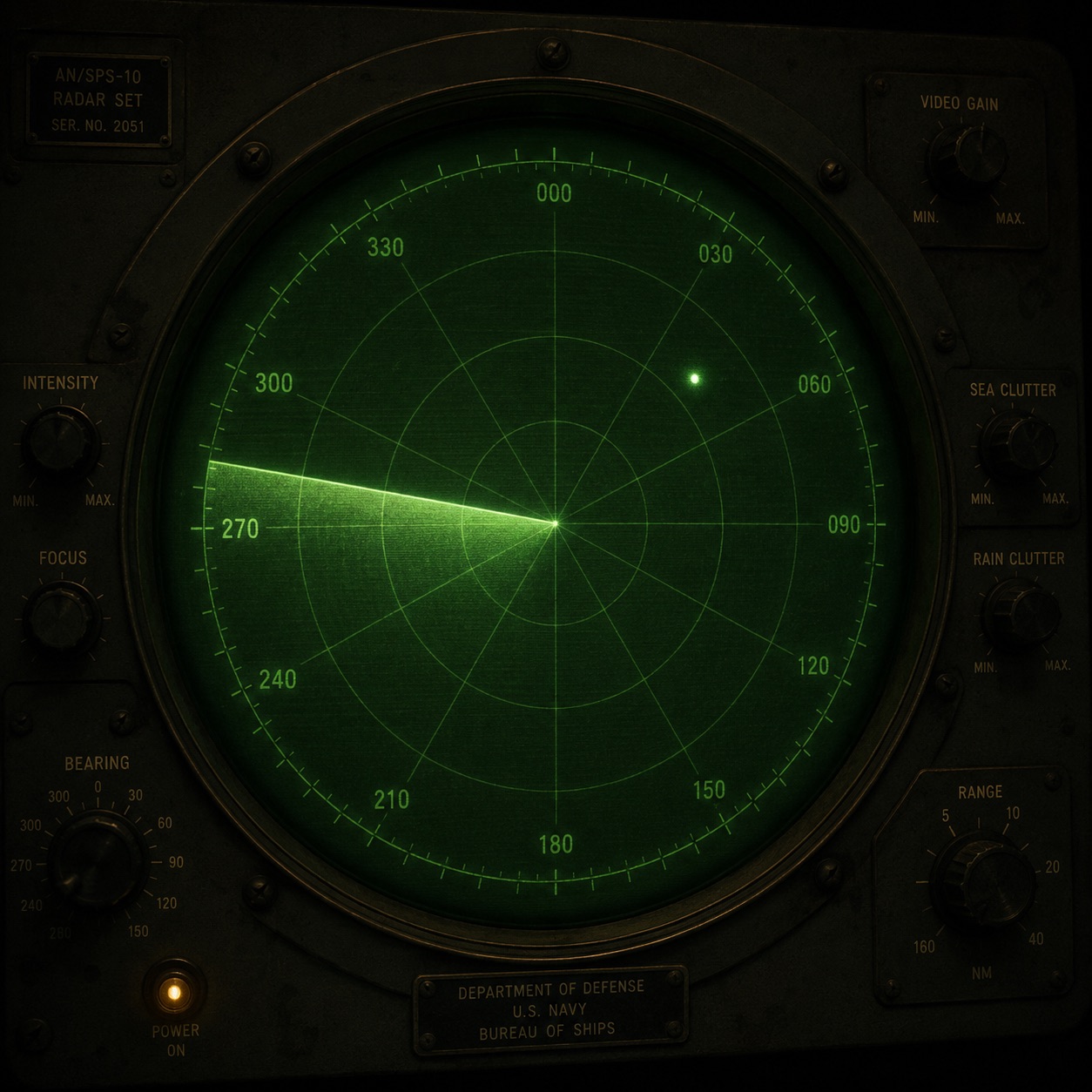
Example: “In 1962, a single misread radar signal brought the world within minutes of nuclear war — and the lesson it taught us about snap decisions still holds today.”
Make it land: Keep the historical detail accurate and clearly relevant; a vivid event that doesn’t connect to your thesis is just trivia.
11. The Humor Hook
A humor hook disarms readers with a light, witty line that sets a friendly, conversational tone. When it lands, it creates an immediate sense of connection. Use it sparingly and read your audience — humor suits informal, personal, and creative essays far better than formal academic ones.
Example: “There are two kinds of students in the world: those who start their essays early, and those who are lying about it.”
Make it land: Keep the joke clean, brief, and relevant — a punchline that drags on or veers off-topic costs you the very attention it was meant to win.

12. The Emotional Confession Hook
An emotional confession hook opens with an honest, slightly vulnerable admission that builds trust and connection right away. Readers lean in when a writer says something real. This works beautifully in reflective and college application essays, where authenticity is the whole point.
Example: “For years, I believed I was bad at math — not behind, not rusty, just permanently, fundamentally incapable.”
Make it land: Be genuine rather than dramatic; an honest, specific confession resonates, while an exaggerated one reads as a performance.

How to Make Any Hook Actually Land
Even the best opening line falls flat if it doesn’t connect to the rest of your introduction. A few principles hold no matter which type you choose.
Use the Hook → Bridge → Thesis structure. Your hook grabs attention, a bridge sentence explains why it matters, and your thesis states your point. The University of North Carolina’s writing center describes introductions as bridges that carry readers from their own world into your analysis — the hook is just the first plank. Skip the bridge and even a brilliant opener feels disconnected from your argument.
Match the hook to the essay type. A statistic or bold claim suits an argumentative paper; an anecdote or vivid scene suits a narrative or personal essay. Guides like Purdue OWL’s overview of essay writing are a useful gut-check on what each assignment is really asking for.
Keep it short, and write it last. A hook is usually one to three sentences; any longer and you lose the attention you just earned. And you don’t have to write it first — many of the strongest openings are written after the essay is drafted, once you know exactly what you’re introducing.
Final Thoughts
A great hook opens the door, but it’s the essay behind it that has to deliver. Once you’ve drafted an opening you’re happy with, the real work is making sure the rest of your writing lives up to it — clear structure, a strong thesis, and prose that flows from one idea to the next.
That’s where a second set of eyes makes all the difference. Homework Help Global specializes in helping students sharpen their writing without taking it over: brainstorming angles when you’re stuck, giving honest feedback on a draft, and editing for clarity, flow, and impact while keeping your own voice intact. Whether you’re polishing a class essay or fine-tuning a personal statement, professional editing and tutoring can be the difference between an opening that grabs attention and an essay that holds it.
For more study strategies and writing tips, tune into The Homework Help Show — and reach out whenever you want expert support on your next assignment.